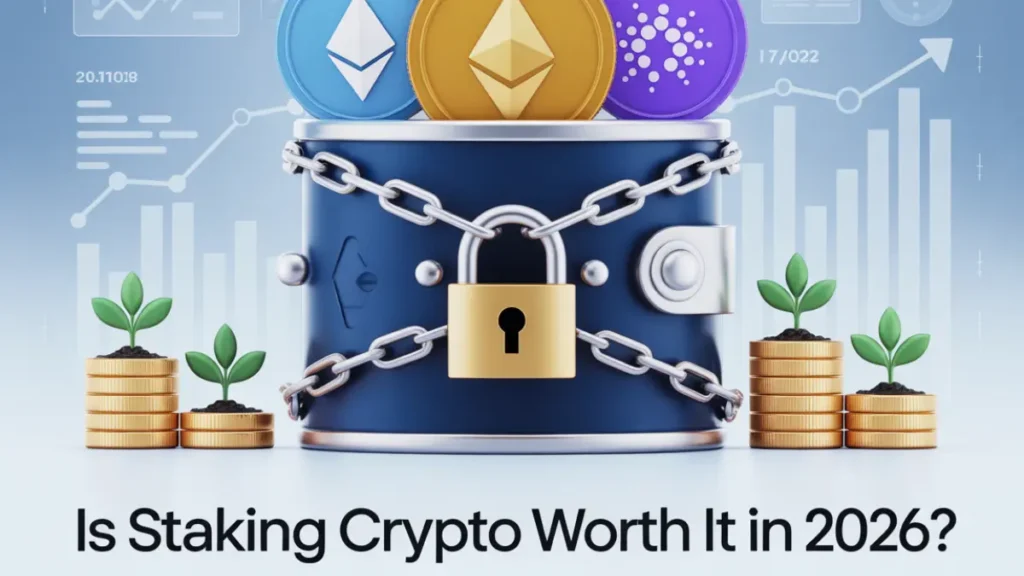

Is Staking Crypto Worth It in 2026: My Real Experience After Years of Trying It Out
I’ve been in crypto long enough to remember when staking felt like this mysterious side hustle—something people whispered about in forums while Bitcoin was still figuring out its next halving. Back in 2021, I staked some ETH right after The Merge, locked it up, and watched rewards trickle in while the price swung like crazy. Fast forward to January 12, 2026, and staking isn’t some niche trick anymore. With clearer rules, better tools, and even ETFs starting to dip into yields, more everyday holders are asking the same question I get from friends over chai: Is staking crypto actually worth it these days? The short answer? It can be—if you’re realistic about rewards, risks, and what you’re trying to achieve. It’s not free money, but for patient holders, it often beats letting coins sit idle in a wallet.
What makes staking feel different now is how the space has grown up. Early on, it was all about high APYs on sketchy projects that promised the moon but delivered dust when prices tanked. In 2026, the focus is on established networks with real utility. Proof-of-stake chains like Ethereum, Solana, and Cardano dominate the conversation because they’re secure, actively developed, and backed by massive communities. Rewards come from helping validate transactions—no mining rigs needed, just locking up tokens to support the network. In return, you get more tokens over time, usually compounded automatically on good platforms.
The core appeal is straightforward passive income. Instead of your holdings doing nothing, they earn 3–8% APY on majors, sometimes higher on others. For example, staking ETH might net you around 3–4% annually through pooled services, while Solana often delivers 6–8% with quick epochs. Cardano sits in the 3–5% range but with no forced lock-ups in many setups. These aren’t wild numbers like some DeFi farms used to flash, but they’re steady and come from networks that aren’t likely to vanish overnight.
Pros stack up nicely for long-term holders. You earn without selling, which means compounding can really add up if the underlying coin appreciates. It’s eco-friendlier than mining, contributes to network security, and many platforms make it dead simple—just a few clicks on an exchange or wallet. During sideways markets, those rewards feel like a small win when prices aren’t moving much. I’ve had periods where staking covered coffee money or offset minor losses elsewhere in the portfolio.
But let’s be honest about the downsides—I’ve felt them firsthand. The biggest one is opportunity cost: your coins are locked or semi-locked, so if a big pump hits and you want to sell, you might wait days or weeks to unstake. Price volatility can wipe out gains fast—if your staked token drops 30%, even solid APY won’t make up for it right away. There’s slashing risk on some networks (though rare on big ones like Ethereum if you delegate properly), plus platform risks if you use custodial services—hacks or insolvencies aren’t impossible, though regulated spots have gotten safer. Taxes hit rewards as income in most places, so you owe even if the price falls. And inflation on some chains dilutes rewards over time.
Real stories from people I know keep it grounded. A buddy who’s been delegating SOL since 2023 told me last month: “It’s not life-changing, but I earn enough extra SOL each year to feel like I’m not just holding dead weight. The network’s fast, fees are low, and I sleep fine knowing it’s decentralized.” Another friend staking ETH on a major exchange added: “The 3–4% feels boring compared to old DeFi yields, but it’s reliable—no drama, no rugs. When ETH climbed last year, the rewards compounded nicely.” These aren’t hype; they’re from folks who’ve ridden multiple cycles and stuck with it.
Tech-wise, things have improved a lot. Liquid staking options let you earn while keeping tradable versions of your tokens (like stETH or similar on Solana). Wallets and exchanges integrate staking seamlessly with auto-compounding and clear dashboards. No need for tech wizardry anymore—just connect a wallet or use a trusted app.
Costs are low on reputable platforms—fees might nibble 0.1–1% off rewards, but many keep it minimal. Starting small is easy; you don’t need thousands. Some let you stake fractions of a coin.
Education efforts help too. Exchanges run guides, communities share validator tips, and alerts warn about scams. It’s easier to avoid pitfalls now than it was a few years back.
Staking suits certain people best. If you’re a long-term holder who believes in a project’s future—like ETH for DeFi dominance, SOL for speed and apps, or ADA for steady development—staking adds a layer of passive growth without extra effort. It’s great for moderate-risk folks who want yields better than bank savings but aren’t chasing 50% APY gambles. If you’re a short-term trader or super risk-averse, it might not fit—volatility and lock-ups could frustrate you.
By the numbers in early 2026, billions remain staked across majors: ETH has huge portions locked, Solana sees strong participation with quick rewards, Cardano boasts high delegation rates. Active wallets and volumes keep climbing, showing trust.
In the end, is staking crypto worth it in 2026? For me, yes—mostly. It’s turned idle holdings into something productive without turning my life into a full-time job. Rewards aren’t explosive, but they’re real, and the risks feel more manageable now than in the wild days. If your coins are sitting anyway and you trust the network long-term, staking often makes sense. Start small, pick established names, use secure platforms, and treat it as a bonus rather than the main event. The market’s matured, and so has staking—it’s not a get-rich-quick scheme, but a quiet way to let your crypto work for you.
Checkout: Best Crypto to Invest in 2026